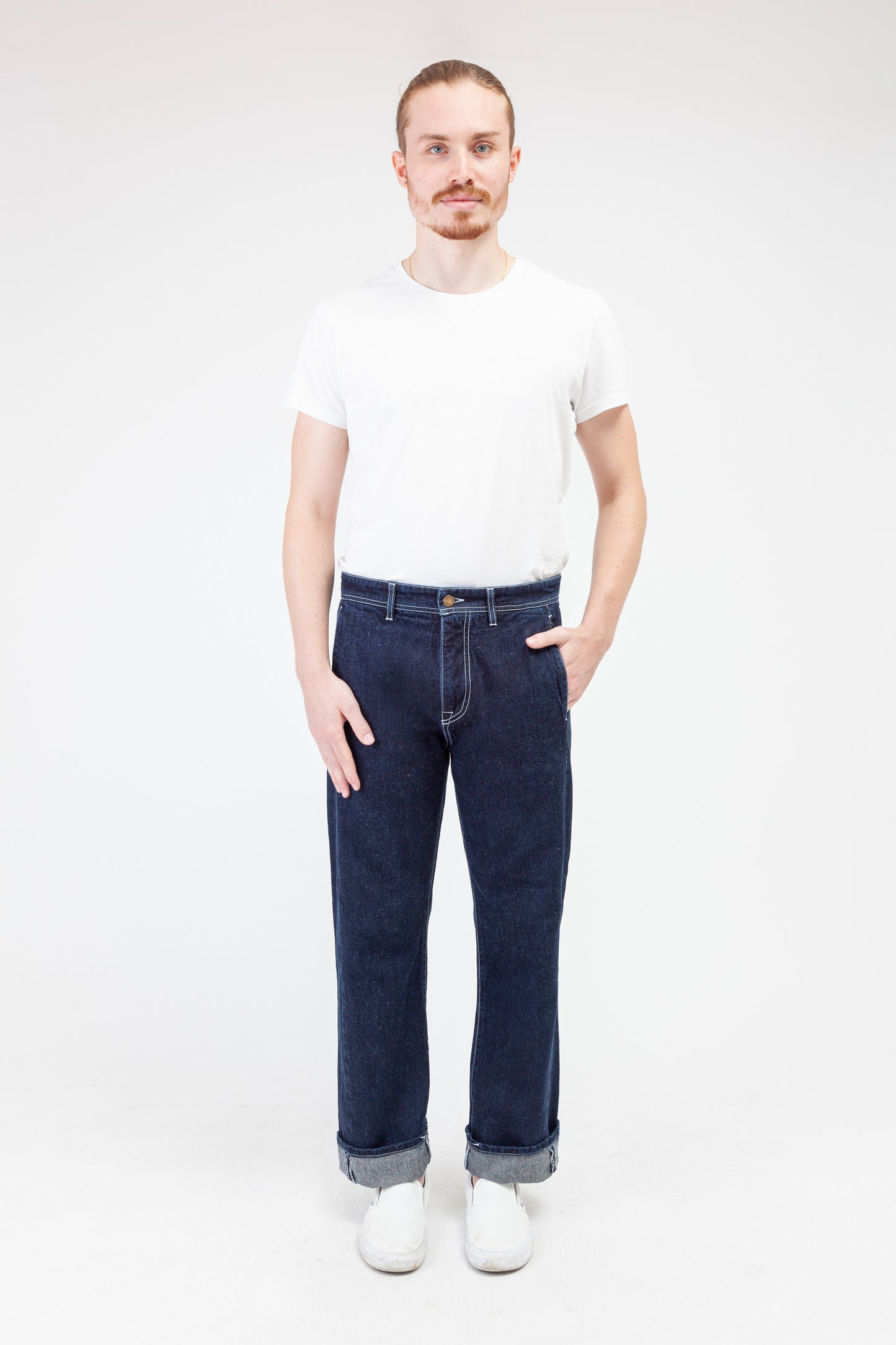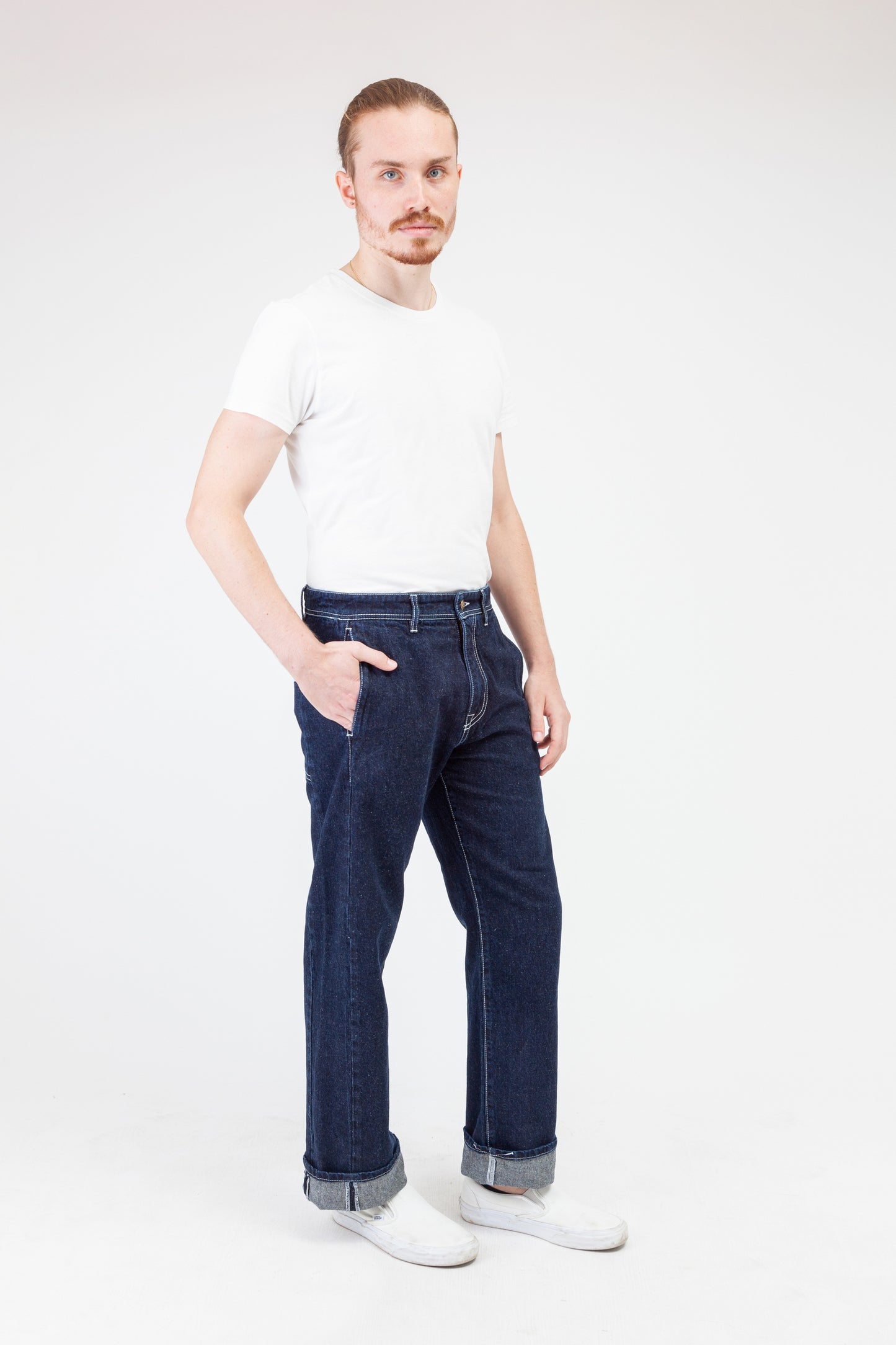

Fashion is born from the earth. Every fiber, every fabric, every garment is the product of an ecosystem. Talking about fashion today means re-understanding that, first and foremost, it is an agricultural phenomenon.
When we talk about fashion, we rarely think of the earth. Yet, everything begins there. Every fabric is born from a crop, every fiber is the fruit of an ecosystem made up of seasons, water, and time. Before becoming an image or a collection, fashion is matter that grows, that breathes, that is touched by real hands.
Agriculture and fashion share the same principle: respect for natural cycles . Growing hemp means understanding that you can't force the material. It takes time, it takes balance, it takes knowledge. And the same goes for creating a garment that lasts, that doesn't chase trends but transcends them.
In the current system, speed has replaced patience. Production is to fill, not to grow. But those who work the land know that the harvest doesn't arrive early: it arrives when it's ready. So we try to work too, observing, touching, correcting when necessary, allowing matter to follow its own rhythm.
Every stage of our supply chain, from field to packaging, is conceived as an agricultural cycle. Sowing hemp means regenerating the soil. Weaving the thread means giving shape to what nature offers. Sewing, dyeing, finishing: these are manual gestures that transform the fiber into material culture. It's a job that requires hands, time, and attention—the same three things needed to successfully cultivate any living thing.
Fashion should return to its roots. Not in a nostalgic sense, but in a concrete sense: knowing where the fiber comes from, who processes it, and how much it costs in human and environmental terms . Only then does a garment become something meaningful, not just valuable.
This is why we say that GIMMI doesn't "produce" clothes. It cultivates them. Like a field: with respect, with time, and with the idea that quality isn't imposed, it's nurtured.
In a world that measures everything in performance and numbers, working this way may seem anachronistic. But it's the only honest way we know. Working with matter reminds us every day that the natural rhythm doesn't accelerate: it accompanies it.
Making fashion like cultivating a field also means embracing the unexpected: the fiber that changes color, the dye that takes on a different hue, the thread that reacts to time. There's no error, there's reality. And that's where fashion rediscovers its authenticity.